The “Layered Lamp” Setup: How to Make Any Room Feel Cozy and Functional Without Renovating
A simple lighting layout using three kinds of lamps can make a room feel calmer, brighter, and more usable—no rewiring, no remodel.
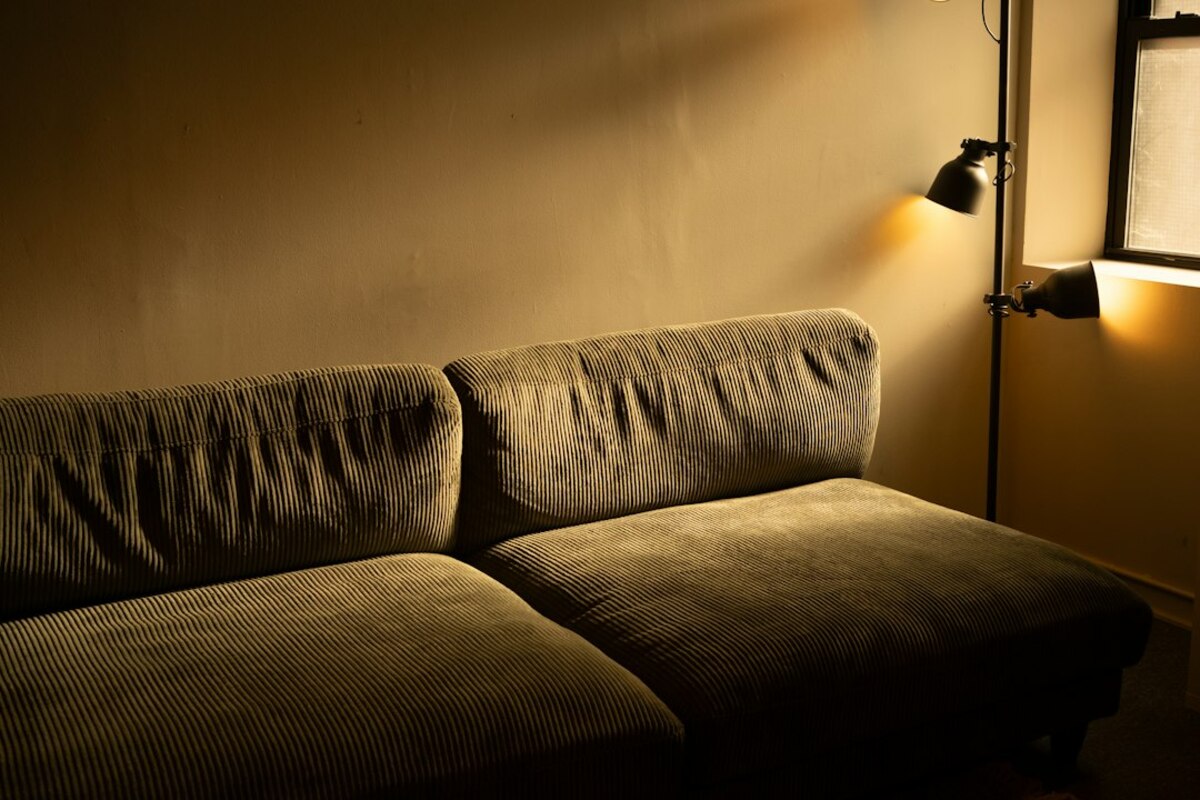
- Use three light layers (ambient, task, accent) so the room works for relaxing and focused work.
- Swap one harsh ceiling light for a floor lamp + table lamp combo to instantly soften the space.
- Choose warm bulbs, aim light at walls, and add dimmers/smart plugs for a flexible mood shift.
Why one ceiling light often makes a room feel “unfinished”
Think about the last time you walked into a room at night and flipped on the main ceiling light. Everything became evenly bright—but also a little flat. Corners looked darker by comparison, faces looked harsher, and the room felt more like a waiting room than a place to settle in.
That’s not because your room is “bad.” It’s because one overhead light is trying to do three jobs at once: help you see, help you focus, and make the room feel inviting. A single fixture rarely does all three well.
A helpful way to picture it is like taking a photo with a single flash. You can see everything, sure—but it doesn’t look natural. Real-life comfort usually comes from multiple light sources that gently overlap, the same way outdoor light comes from sky, sun, reflections, and shade.
The good news: you can get that effect with a beginner-friendly method interior designers use all the time—often called layered lighting. You don’t need to rewire anything. You mainly need two or three plug-in lamps and a plan.

The “Layered Lamp” formula (and the easiest way to set it up)
Layered lighting just means you’re using different lights for different purposes. For a typical living room, bedroom, or home office corner, the simplest setup is:
- Ambient light (overall glow so the room doesn’t feel cave-like)
- Task light (aimed light for reading, working, cooking, grooming)
- Accent light (small “sparkle” lights that add depth and make the room feel designed)
Here’s a quick guide you can use like a checklist.
| Layer | What it’s for | Easy lamp choice | Placement that works |
|---|---|---|---|
| Ambient | Comfortable overall brightness | Floor lamp with shade, or torchiere (uplight) | Near a wall or corner so light bounces softly |
| Task | Clear light for doing things | Desk lamp, swing-arm lamp, adjustable reading lamp | Close to where you read/work; aim at the surface, not your eyes |
| Accent | Depth, mood, highlights | Small table lamp, picture light, LED strip behind TV, plug-in wall sconce | Low or mid-height; highlight a plant/art/shelf; avoid shining straight at seating |
The fastest upgrade for most rooms: turn the ceiling light off at night and try using a floor lamp (ambient) + table/desk lamp (task). That alone usually makes a room feel calmer within minutes.
If you want a simple rule that rarely fails, use a “triangle” layout: place two lamps on one side of the room (different heights), and one lamp across from them. This spreads brightness so there’s no single harsh source.
Real-life scenario: You work from the couch sometimes. With only an overhead light, your screen feels glaring and the rest of the room looks dim. Add a floor lamp behind the couch aimed toward a wall (ambient), plus a small lamp on a side table (accent). Now the room has a gentle base glow, and your eyes don’t bounce between “bright screen” and “dark surroundings.”
What if you have a small space? In a studio or small bedroom, one well-chosen lamp can do double duty. For example, an adjustable floor lamp with a reading arm can act as ambient + task, and then you add one small accent light (like a warm LED strip behind a shelf).
Small choices that make layered lighting feel expensive (even on a budget)
The difference between “I bought a lamp” and “this room feels put together” often comes down to a few practical details. Here are the ones that move the needle quickly.
- Aim light at walls, not at faces. When light hits a wall, it bounces and spreads. This is why a lamp near a wall often feels softer than a lamp in the middle of the room.
- Mix heights. If all your light sources sit at the same level (all table lamps, all overhead), the room can feel flat. A floor lamp + table lamp combo instantly adds depth.
- Choose shades that diffuse. A fabric or frosted shade softens brightness. Clear glass without diffusion can create glare, especially with exposed bulbs.
- Use warm bulbs in living spaces. For most homes, warm-white light is more relaxing at night. If your bulbs look clinical, your room may feel less welcoming even with great furniture.
One of the simplest “luxury” tricks is control. The ability to lower light for a movie, raise it for cleaning, or shift it for a video call makes a space feel intentional.
Try one of these easy control options:
- Plug-in dimmer (works with many dimmable bulbs and standard lamps)
- Smart plug (great if you just want on/off schedules and voice control)
- Smart bulbs (best if you want dimming plus adjustable color temperature)
Quick check: If you dim a lamp and it flickers or buzzes, you may have a non-dimmable bulb or an incompatible dimmer. Swapping to a dimmable LED bulb usually fixes it.
No. You need three types of light, but one lamp can cover more than one type. An uplight floor lamp can act as ambient, while a built-in reading arm acts as task. Then add one small accent light for depth.
No. You need three types of light, but one lamp can cover more than one type. An uplight floor lamp can act as ambient, while a built-in reading arm acts as task. Then add one small accent light for depth.
This method is renter-friendly by default. Stick to plug-in lamps, plug-in dimmers, smart plugs, and peel-and-stick cord clips to route wires neatly along baseboards.
This method is renter-friendly by default. Stick to plug-in lamps, plug-in dimmers, smart plugs, and peel-and-stick cord clips to route wires neatly along baseboards.
Place ambient light behind or to the side of screens and aim it at a wall. For task lighting, angle the lamp so it hits your keyboard/book, not the screen. If you can, add a soft accent light behind the TV or monitor to reduce eye strain from a bright screen in a dark room.
Place ambient light behind or to the side of screens and aim it at a wall. For task lighting, angle the lamp so it hits your keyboard/book, not the screen. If you can, add a soft accent light behind the TV or monitor to reduce eye strain from a bright screen in a dark room.
If you want to test layered lighting before buying anything, do a “lamp audition” using what you already own. Move a bedside lamp into the living room for one evening. Try it on a low shelf, then on an end table, then across the room. Notice how the mood changes when light comes from the side instead of from above.
A final practical tip: if your room has only one outlet where you need multiple lamps, a flat plug extension cord (or a power strip with a longer cord) can keep cords tidy without forcing furniture away from the wall. Route cables along edges and secure them with removable clips so the setup feels clean, not improvised.