The Case for an Induction Cooktop: A Cleaner, Cooler Kitchen Upgrade
Thinking about replacing your stove? Induction cooktops boil water fast, keep kitchens cooler, and are often easier to clean than gas or old electric.
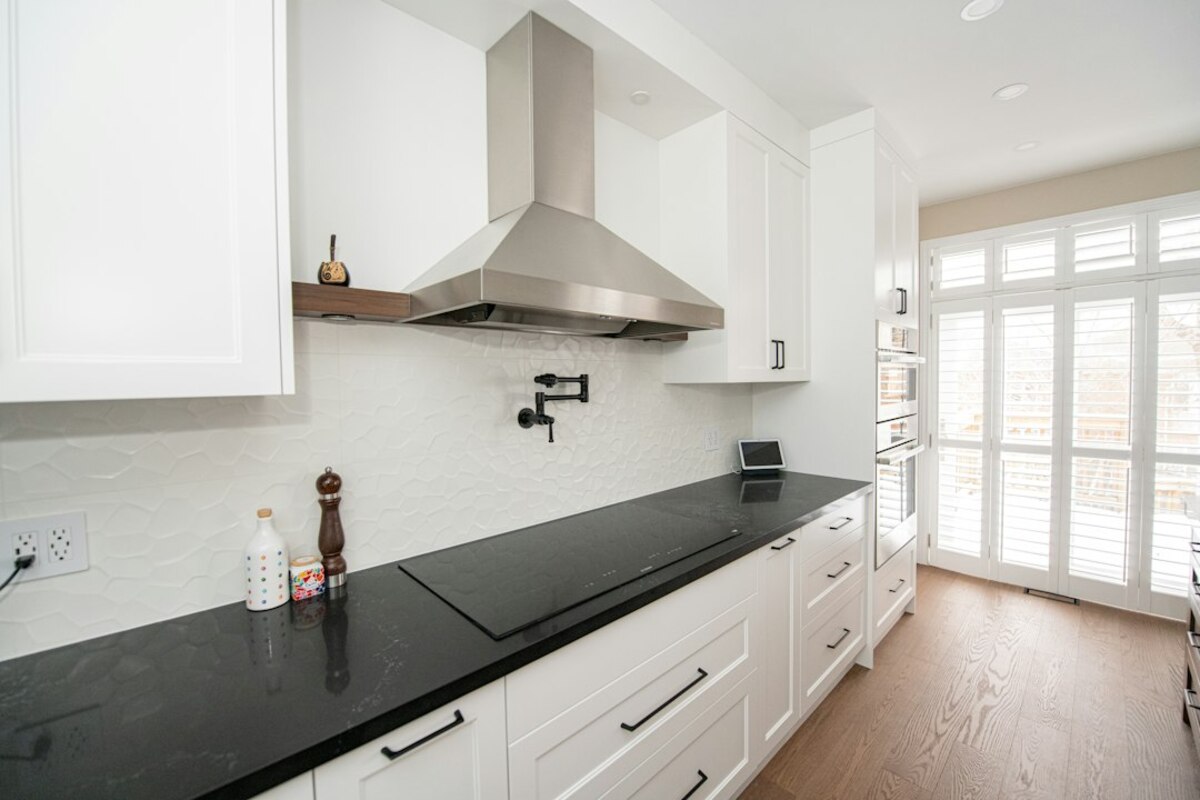
- Induction heats the pan (not the air), so it’s faster, cooler, and often cheaper to run than you’d expect.
- Most homes can support induction with planning—power, breaker size, and cookware are the big checkpoints.
- You can upgrade in stages: portable induction now, built-in later, without committing to a full kitchen remodel.
Why induction is suddenly everywhere (and why it doesn’t feel “fancy” once you try it)
If you’ve been hearing more people talk about induction cooktops lately, it’s not your imagination. Induction has moved from “chef’s kitchen” territory into everyday renovations because it solves a bunch of normal-life annoyances at once: slow boiling, sweaty kitchens, stubborn baked-on spills, and that vague worry about indoor air.
Here’s the simplest way to picture it: a traditional electric coil or glass-top stove heats up like a toaster. It gets hot first, then it transfers heat to your pan. Gas is like a tiny bonfire under the pan. Induction is different—it’s more like a wireless charger for your cookware. The cooktop creates a magnetic field that makes the metal in the pan heat up directly.
In real life, that translates into moments you notice immediately. You set a pot on the burner, hit “power,” and the water starts moving fast—no long wait for a coil to glow or a thick glass surface to heat. And because the cooktop isn’t trying to heat the entire area around the pan, less heat escapes into your kitchen. On a summer evening, that can feel like you’ve upgraded your comfort as much as your appliance.
A quick scenario: you’re making pasta on a weeknight. With an older electric range, you might turn on the burner, unload the dishwasher while you wait, come back, and still be waiting for a boil. With induction, you often feel like you have to pay attention sooner—because it’s actually ready. It’s not “better cooking skills.” It’s just a different way of delivering energy.
- Induction: heats the pan directly, fast response, less wasted heat
- Radiant electric (glass-top): heats the glass surface first, then the pan
- Coil electric: heats the coil, then the pan
- Gas: heats air/flame around the pan; great visual feedback, more ambient heat
One misconception that stops people is the idea that induction is “complicated.” In practice, it’s usually simpler. The controls can be more precise than gas, and cleanup is often easier because the surface around the pan doesn’t get as scorching hot—spills are less likely to bake on into a crust you have to scrape later.

Will it work in your home? A practical checklist (power, cookware, and layout)
Induction is popular, but it isn’t magic. The smooth renovation move is to check three things before you fall in love with a model: your electrical capacity, your cookware, and your countertop/cabinet situation.
1) Electrical: breaker size and wiring
Most full-size induction cooktops and induction ranges need a 240V circuit, similar to many electric ovens and dryers. If you already have an electric range, you may already have what you need. If you’re switching from gas, you might need new wiring and a new breaker in your panel.
What this looks like in everyday terms: an electrician checks your panel for spare capacity, confirms the circuit size (often 40–50 amps for many ranges/cooktops, depending on model), and verifies the wire gauge. If your panel is older or already crowded (common in mid-century homes that have added HVAC, EV charging, hot tubs, etc.), the cooktop can be the “final straw” that triggers a panel upgrade—or at least a subpanel.
| Question | Why it matters | Quick way to check |
|---|---|---|
| Do you have a 240V range circuit already? | Existing electric range wiring can simplify the swap | Look at your breaker panel for a double-pole breaker labeled “range/oven” |
| Is your panel near capacity? | Adding a cooktop circuit may require load calculation or upgrades | If many breaker spaces are filled and you’ve added big appliances, ask for a load calc |
| What amperage does the model require? | Cooktops/ranges vary; undersizing can trip breakers | Check the installation manual (not just the marketing page) |
2) Cookware: do you need all new pots and pans?
Induction needs magnetic cookware. That doesn’t mean “expensive” cookware—it means cookware a magnet sticks to. Many stainless steel pots qualify; some don’t (because not all stainless steel is magnetic). Cast iron is usually a yes. Many enameled cast-iron pieces work too. Aluminum and copper typically need a magnetic base layer to work.
The magnet test is the easiest trick: if a fridge magnet firmly sticks to the bottom, it’ll likely work. If it barely clings or slides off, you may get weak performance or no heating.
Real-life example: you might find that 70% of your cookware works, and the “problem children” are that lightweight nonstick skillet and the fancy copper saucepan you got as a gift. You don’t have to replace everything at once—start with the pieces you use daily.
3) Fit and ventilation: cooktop vs. range and what’s above it
If you’re replacing a slide-in range, an induction range can be the simplest renovation because it often lands in the same footprint. A separate induction cooktop is common in larger remodels, but it may require cabinet modifications and attention to what’s below (drawers, oven placement, clearance requirements).
Ventilation is also worth a quick reality check. Induction doesn’t create combustion gases like a gas flame, but you still produce smoke, steam, and grease. A good vent hood (or at least a properly ducted microwave hood) makes daily cooking more pleasant no matter what cooktop you choose.
It can feel different for a week because it responds so quickly. Many people end up lowering heat settings compared to what they used on gas or older electric. The biggest adjustment is that “low” can be very steady, so sauces may need more stirring at first until you learn your stove’s settings.
Most induction units won’t heat unless they detect compatible cookware on the zone. If the pan is removed, many models reduce power or shut off. This is one reason families with curious kids consider it a comfort upgrade.
It might work, but performance can be uneven. Induction likes good contact with the glass surface. If a pan rocks or has a pronounced wobble, it may heat less consistently and can be annoying day-to-day.
What you’ll notice day-to-day: speed, cleaning, safety, and the “hidden” comfort benefits
Induction’s selling points often sound technical (magnetic fields, efficiency), but most people care about how it changes a Tuesday night. These are the differences that tend to show up in everyday life.
Faster boiling and more controllable simmering
The headline experience is speed: water boils quickly, and heat changes feel immediate. The less-advertised benefit is steadiness. Many induction units can hold a low simmer without the constant “almost boiling… now not boiling… now boiling again” cycle you sometimes see on older electric stoves.
Think of it like cruise control versus tapping the gas pedal. Once you find the right setting, it tends to stay there.
A cooler kitchen (especially noticeable in warm weather)
Because induction puts more energy into the pan and less into the surrounding air, you often feel less ambient heat. This matters in apartments and smaller homes where the kitchen and living area are one shared space. If you’ve ever avoided cooking because you didn’t want to turn your home into a sauna, this is the kind of renovation win that feels bigger than “new appliance.”
Cleanup that’s more “wipe” and less “scrub”
Induction cooktops are usually smooth glass like other glass-top electrics, but spills are less likely to bake on hard because the area around the pan doesn’t get as brutally hot. You still can burn sugar or overflow starchy water, but the day-to-day mess tends to be friendlier.
A small habit that helps: keep a microfiber cloth nearby and wipe splatters while the surface is still warm (not hot). It’s the difference between a 10-second wipe and a 10-minute scrub later.
Safety and “peace of mind” features
People often mention safety as a bonus rather than the main reason they switch. But in a busy household, it adds up:
- No open flame to accidentally leave on.
- Pan detection on many models: no pan, no heat.
- Less residual heat on the surface (though it can still be hot from the pan sitting there).
- Control locks and auto shut-off features are common.
Noise: the small surprise
Induction is often quiet, but not always silent. Some setups produce a soft hum or buzz, especially at higher power or with certain pan materials. You might also hear a fan inside the unit. It’s usually not loud, but it’s worth knowing so you’re not startled the first time you crank a burner to full power.
The “bridge” upgrade: portable induction as a low-risk trial
If you’re curious but not ready to commit, a portable single- or double-burner induction unit can be a smart stepping stone. People use them during renovations, in basement suites, in RV-style setups, or simply to test-drive induction while keeping their existing range.
It’s like borrowing the experience before buying the whole system. You can see whether your favorite skillet works, whether you like the control style, and whether the speed feels like a real improvement in your routine.
Budget expectations (without turning this into a spreadsheet)
Induction pricing has widened: there are now entry-level options that are surprisingly approachable, and premium models that cost as much as a vacation. The renovation “gotcha” isn’t always the cooktop—it’s the electrical work if you’re switching from gas or if your panel is maxed out.
A common real-life pattern looks like this:
- You pick a cooktop/range based on features you’ll actually use (power, size, knobs vs. touch, bridge element, timer).
- You confirm electrical needs in the installation manual.
- You get an electrician’s estimate before you buy, so you don’t end up with a dream appliance and no practical way to hook it up.
One more everyday angle: indoor air and that “kitchen smell” that lingers
Even if you don’t follow home-air debates, you’ve probably noticed how some cooking sessions make the whole place smell for hours. Ventilation helps either way, but induction removes combustion from the equation. For some households, that’s the real reason this upgrade is trending: it feels like a modern, tidy way to cook that aligns with how people want their homes to feel—cleaner, calmer, and a little more comfortable in the day-to-day.
If you’re choosing your next renovation step and want something that changes your daily routine (not just your countertops), induction is a rare appliance upgrade that you’ll notice on the first meal.